


Travel is rarely as convenient as staying home. So why do we keep going? A reflection on connection, curiosity and the small ways a trip can change us.
Anita Seres | 25th September 2026
Tourism is a multi-billion-dollar industry. Which is a funny thing when you think about it. We spend an awful lot of money leaving a life where everything is quite convenient, to go somewhere where it probably isn't.
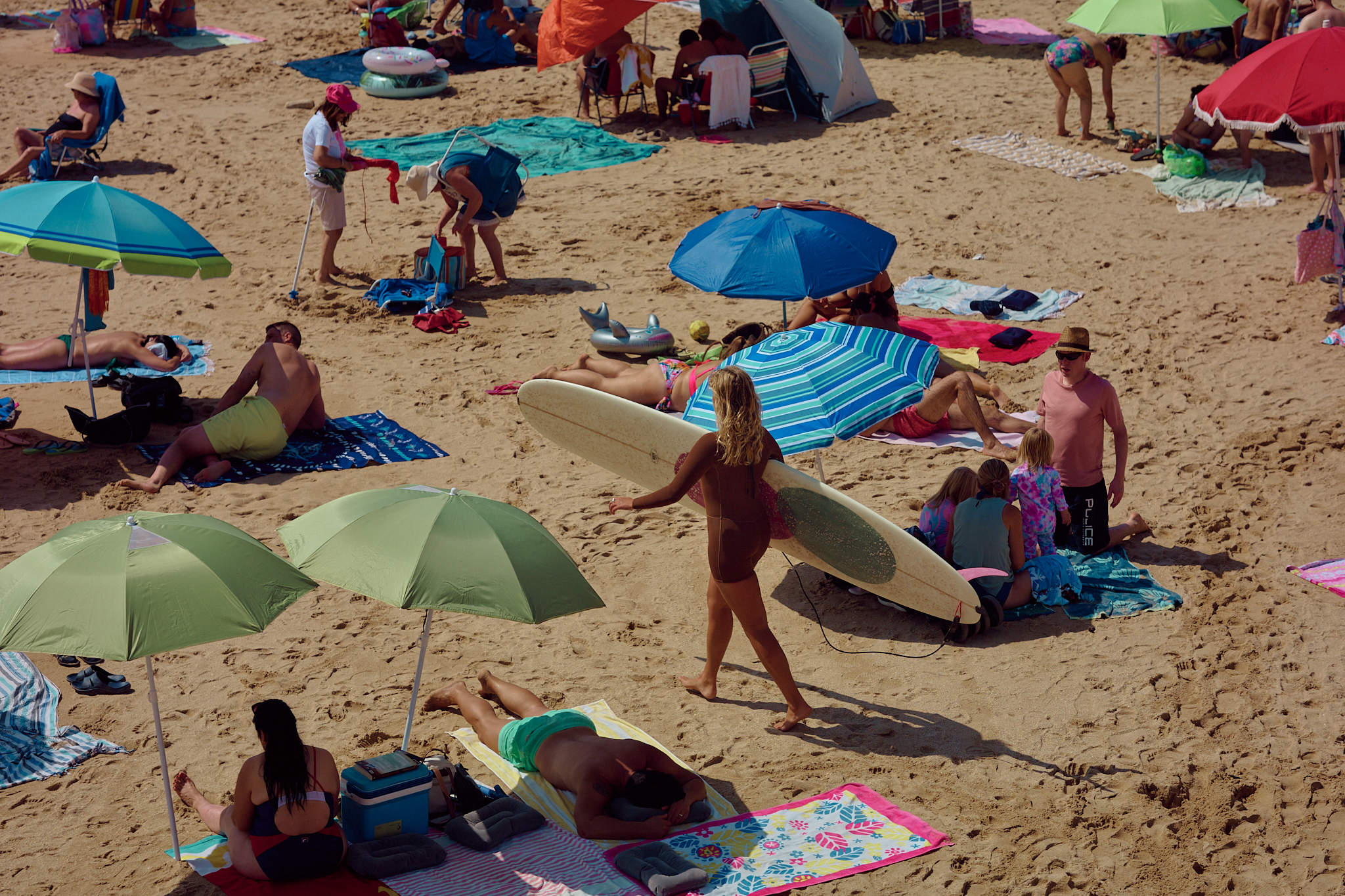
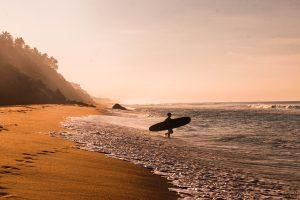
PC: @issycroker
At home, you know where everything is. You know how the shower works. You know where the supermarket is. You know which way to drive. Then you get on a plane for ten hours and arrive somewhere where you don’t know where anything is. The shower might be cold. You might get lost. You might not know what you’re eating. There will probably be sand somewhere you don’t want it. You probably have Google Maps open while standing 30 metres from the beach.
And yet we keep doing it.
My best friend recently came to visit me in Sri Lanka.
I’ve been trying to convince him to come for years. He hates sand. He hates hot weather. He hates being barefoot. So, naturally, I was slightly worried he might hate it. I really wanted to show him the island. But more than that, I wanted him to understand why I live the way I do. Why I chose to leave Hungary. Why I like being outside. Why, somehow, a life that looks quite inconvenient from the outside can feel very comfortable.
What surprised me was how quickly he relaxed. After a couple of days, he took his shoes off. This was quite a big moment. I don’t think he even realised it. He just seemed to settle into it.
And I think that’s one of the strange things about travelling. You leave your normal life because you want to experience something different, and sometimes you discover that the things you thought you’d miss aren’t actually the things you miss.
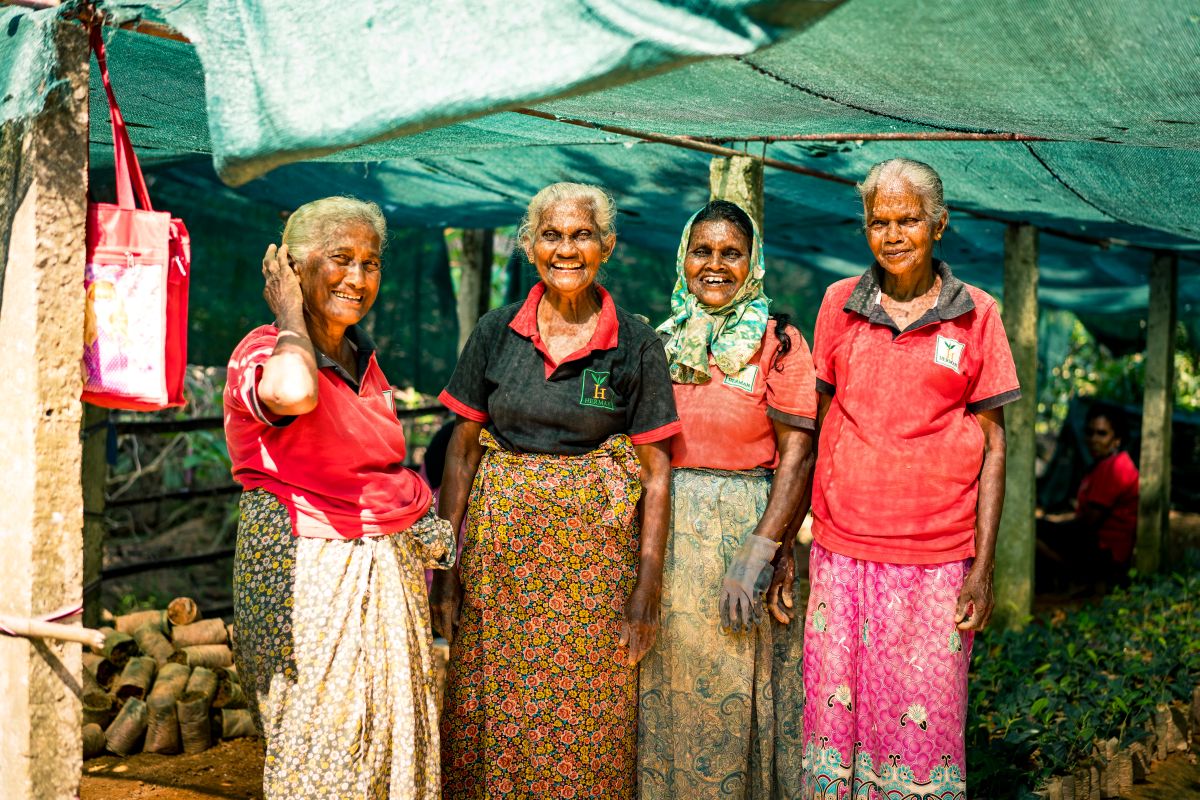
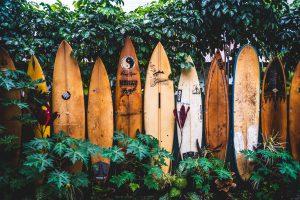
PC : @dannehallin
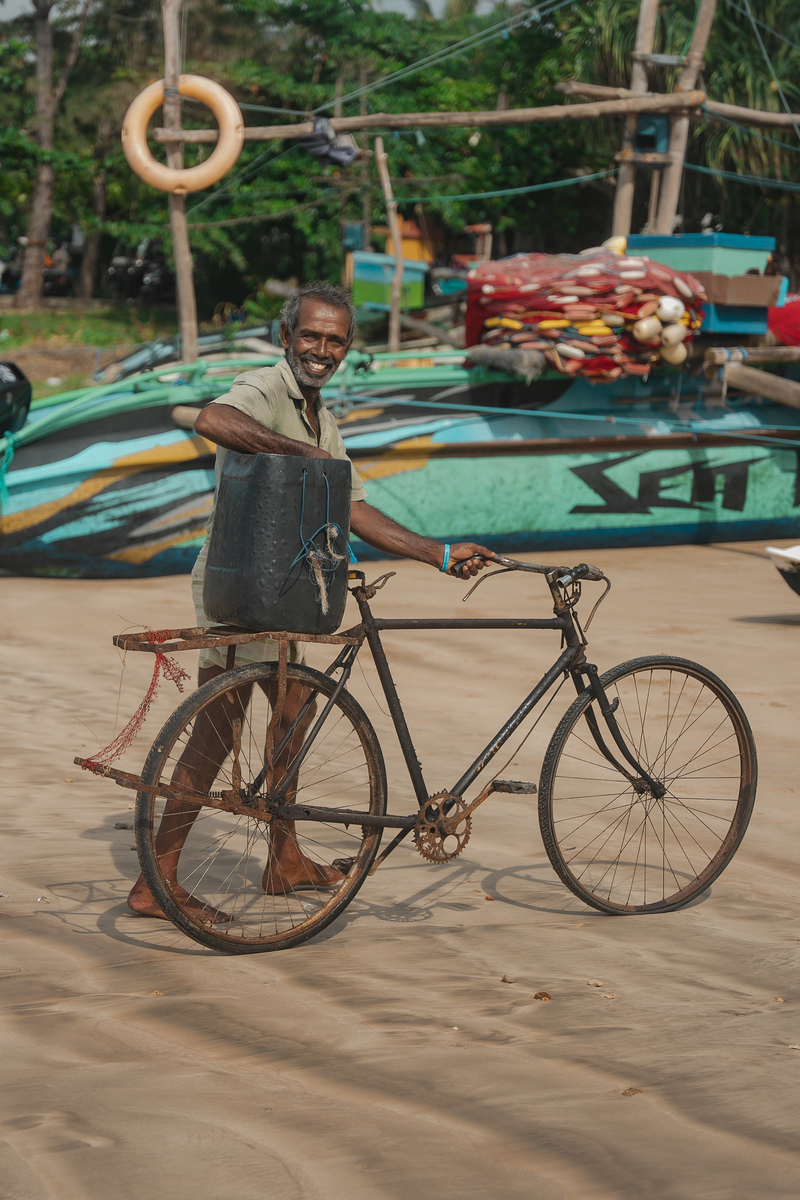
The longer you stay somewhere, the less interested you become in ticking things off. You start recognising faces. You know the person who makes your coffee. You know which tuk-tuk driver will turn up when you call. You know who is likely to be surfing in the morning.
And sometimes the mum of the tuk-tuk driver starts to feel a bit like your actual mum, even though you don't speak the same language. I'm not quite sure how that happens, but it does.
Those are the bits you don't really put in the holiday brochure. But they're often the bits you remember.
We've been lucky enough at Soul & Surf to see this happen. People arrive as guests. Then they get to know the team. Then they know the local shopkeeper. Then they have a favourite restaurant. Then they come back and someone remembers them.
At some point, they're not really strangers anymore.
Perhaps that's when you stop feeling quite so much like a tourist.
I think being a tourist can make you more open-minded. You're the one who doesn't know. You have to ask. You have to listen. You have to let someone else show you how things work. That's quite a good position to be in.
It also means remembering that the place you're visiting isn't there for your benefit. It's somebody's home. The woman making your breakfast has her own life. The person driving your tuk-tuk has somewhere else to be. The surf coach who takes you into the water probably knows this stretch of ocean far better than you ever will.
You're just passing through their Tuesday. And I think that comes with a bit of responsibility. Nothing too worthy. Just basic respect. You are a guest.
So listen. Be curious. Try the food. Learn how to say hello. Take your shoes off if that's what people do. Or, in Sri Lanka, put some clothes on before you go into the supermarket.
Don't assume your way is the right way. Don't treat someone's home like a theme park. And if you don't understand something, ask.
We've definitely got things wrong ourselves. Quite a few times, probably.
That's part of being somewhere that isn't yours. You are going to get things wrong. You might offend someone without meaning to. You might not understand why something is done a certain way.
The important bit, I think, is being willing to learn rather than getting annoyed that the place isn't working exactly as you expected it to.
That's one reason we encourage our guests to get out.
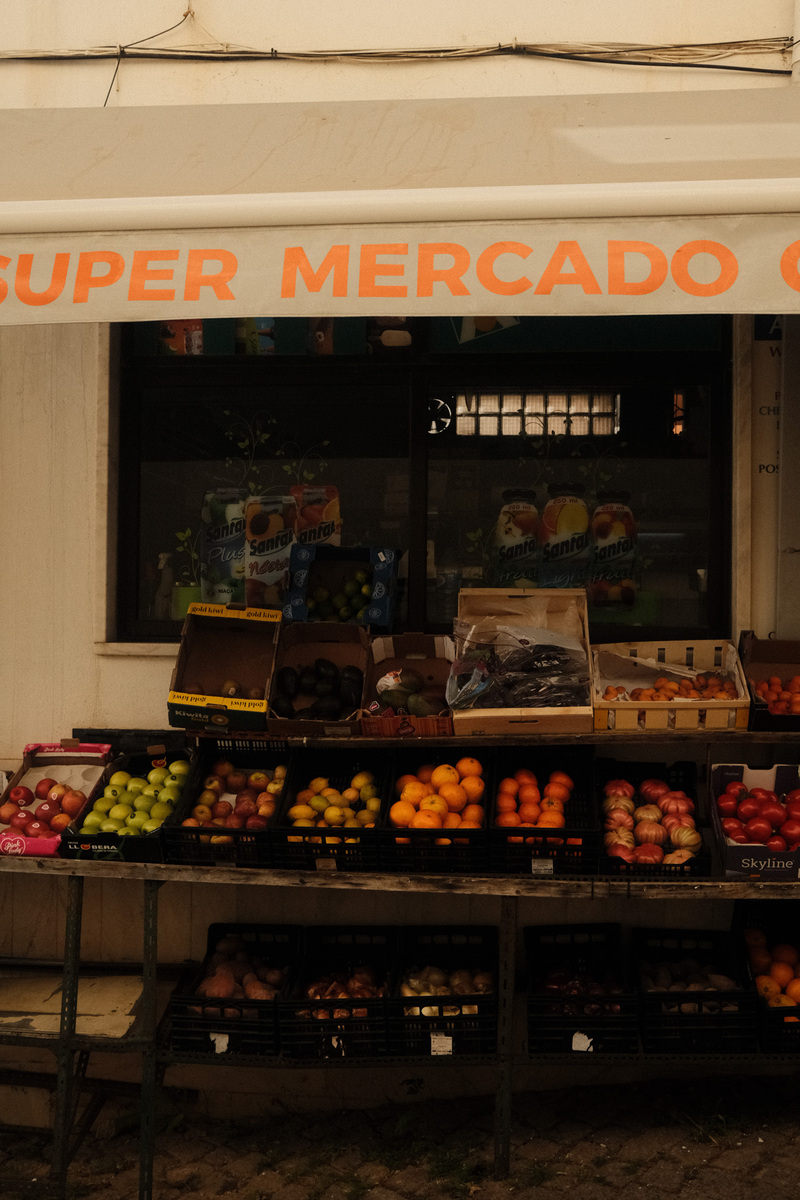
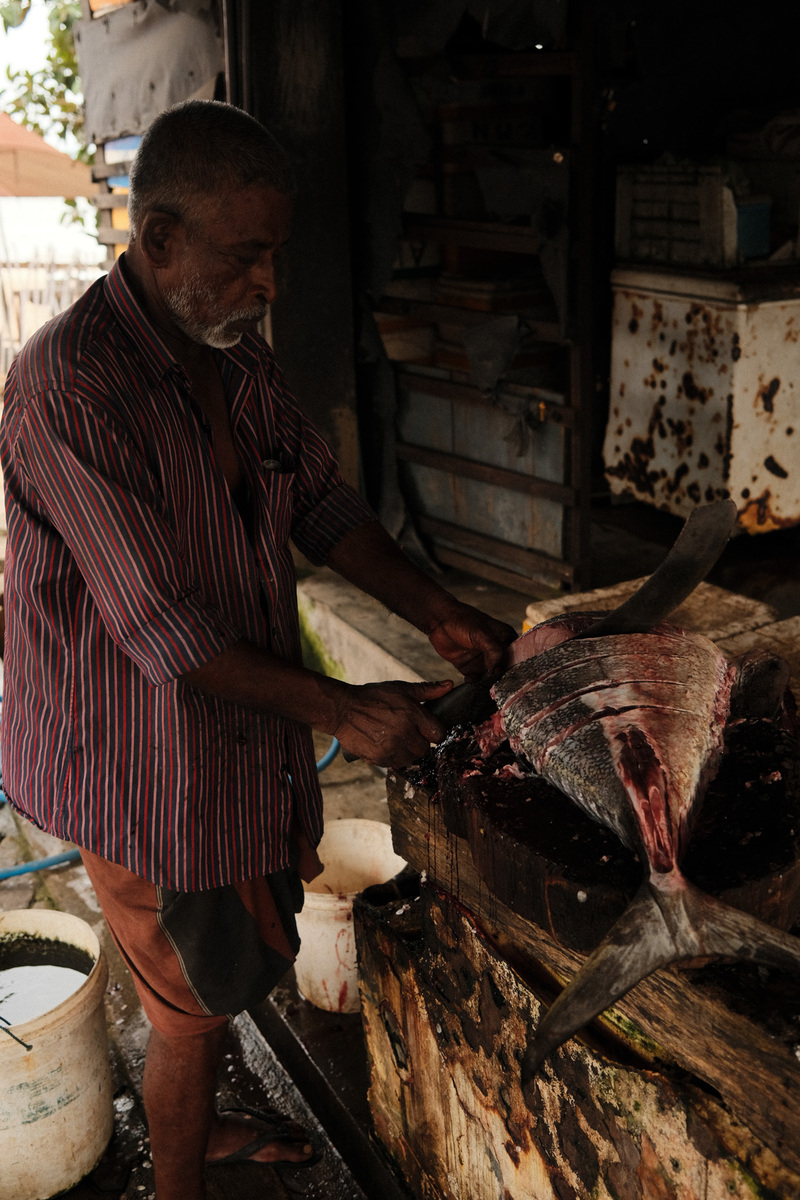
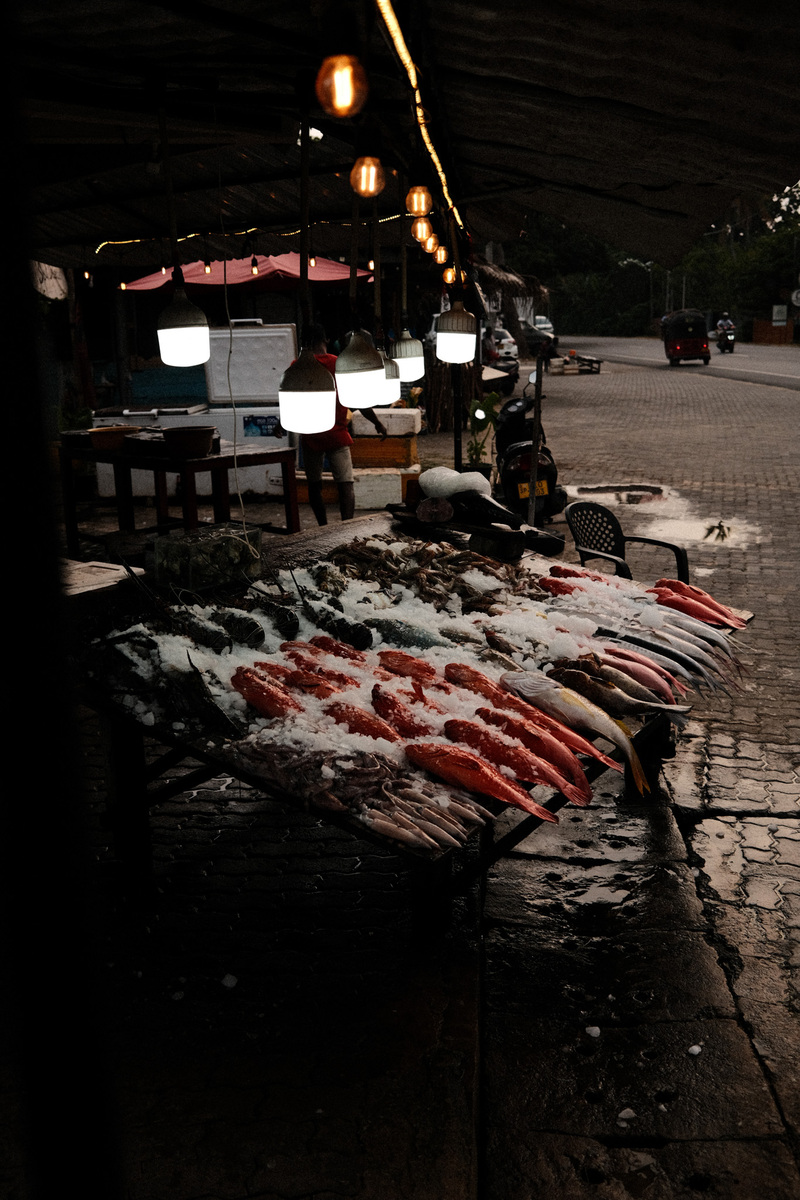
Go for dinner somewhere local. Visit the market. Go and see the family who makes the cinnamon. Walk around. Talk to people.
Don't have every hour planned.
You might have a brilliant time.
You might also have a slightly rubbish time.
That's travel.
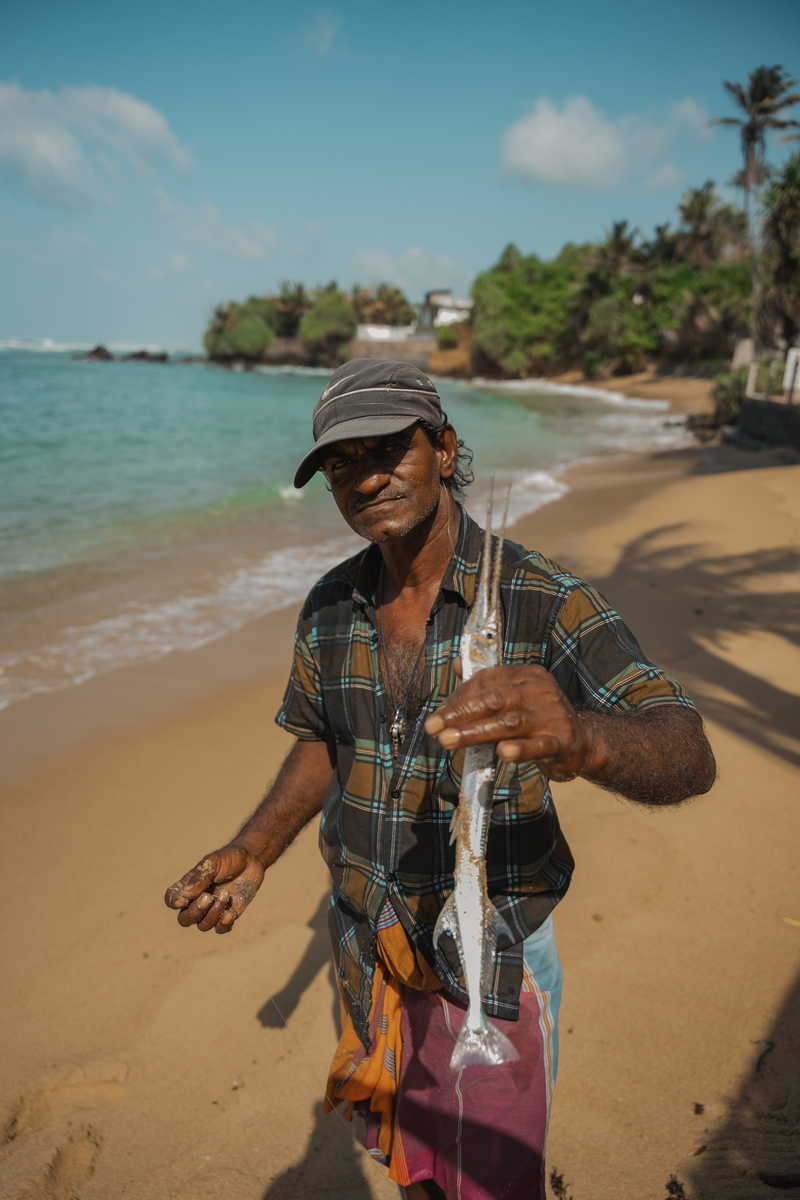
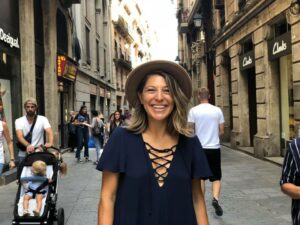
PC : @in.the.flow.photography_flora
We've seen this happen with guests too. Not everyone goes home and changes their life. Most people probably don't. They have a great holiday, go back to work, get back into their routine and carry on. And that's fine. A two-week holiday doesn't need to change your life.
But sometimes it does.
We've had guests realise they want to spend more time outside. Some start thinking about changing jobs. Some decide they want to live closer to the ocean. Some just go home and make a few small changes, a few different choices. Sometimes that's how change happens.
Our family always travelled a lot. My dad made sure we saw the world, and maybe sometimes he regrets it now that all three of us turned out to be quite open-minded. I left Hungary seven years ago and now live a fairly nomadic life. And living away has changed me.
I've learned that there are lots of different ways to live a good life. I'm not saying everyone should leave home. That would be slightly ridiculous. And I'm certainly not saying that living abroad is better than staying put. It's just given me a bit of distance. Enough to see that the way I was living wasn't the only way I could live.
Maybe that's what I like about being a tourist. For a little while, you're the one who doesn't know. You have to look around. You have to listen. You have to be curious.
And sometimes, if you're lucky, you meet people who make you see things a little differently.
Perhaps that's why we keep getting on those planes. Not because our lives at home aren't good enough. But because sometimes you have to leave them for a little while to see them properly.
And sometimes you come home with a new plan.
Or a few new friends.
Or a slightly different idea of what you want your life to look like.
Or, if you're my best friend, no shoes.
Which, frankly, is progress.